A Biological Saw Blade: Form and Function
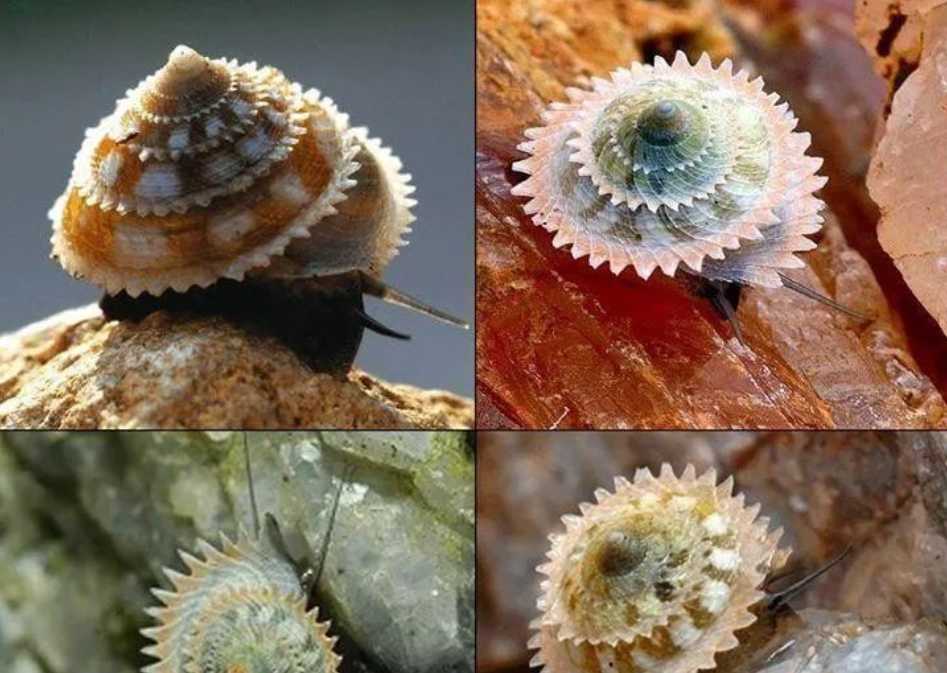
The snail’s shell, resembling a miniature circular saw, offers more than aesthetic appeal. Serrated edges provide structural rigidity for navigating limestone crevices while deterring predators. Its golden-brown to chestnut coloration, often with iridescent striations, aids thermoregulation in Cuba’s tropics. Uniquely diurnal, it forages on lichens by day and shelters in rock cavities at night.
Ecological Role and Existential Risks
As a primary consumer, the snail controls algal growth on limestone and enriches soil with excretions. But marble quarrying has destroyed 80% of its habitat, particularly in Sierra de las Casas. Hurricanes like Ike (2008) further disrupted moisture-dependent populations. With fewer than 5,000 individuals wild, conservation projects focus on habitat restoration and community education.
This Cuban endemic remains a poignant symbol of biodiversity fragility. Its survival hinges on balancing development with preservation—an urgent challenge for Earth’s irreplaceable species.
-------- END --------